
Complete 2025 Guide to Whale Sightings in Oahu: A Monthly Guide

Oahu is one of the best places in the world to see whales. Thousands of people come every year to see the beautiful Pacific humpback whales during their annual migration. This monthly guide to whale sightings in Oahu will give you all the information you need to have an amazing whale watching experience, including the best times and places to see them around the island.
The waters around Oahu are home to thousands of humpback whales that migrate from Alaska every winter to breed, give birth, and nurse their young. These gentle giants, some of which weigh up to 40 tons, put on one of nature’s most amazing shows when they breach, slap their tails, and sing in the warm Hawaiian waters.
Whether it’s your first time whale watching or you’ve done it before, knowing the best times of year, locations, and preparations will increase your chances of seeing these amazing animals. This complete guide includes everything from the chances of seeing whales each month to how to view them in an ethical way. It makes sure you have everything you need for a successful and responsible whale watching trip.
When is the best time of year to see whales on Oahu?
Whale Season Calendar: Month-by-Month Breakdown
December through April Oahu’s whale watching season is from December to April. December is when humpback whales start to arrive, and April is when the last stragglers leave for their journey back to Alaska.
December: The whale season kicks off with early arrivals, primarily adult whales. By mid-December, sightings go up a lot, which makes this a great time to watch whales because there are fewer people than during peak season.
January This marks the beginning of peak whale season in Hawaiian waters.Whales are most active when mothers have newborn calves, and they are easier to see.
February: is the best month to see whales in Oahu because it has the most consistent and frequent sightings. Breeding activity is at its highest point, which leads to more surface behaviors like breaching and tail slapping.
March:It’s still great for whale watching, but some whales start to move north. You’ll see whales that are coming in late in the season and whales that are leaving early in the season.
April: The final month of reliable whale sightings. Most whales have already started their journey north, but dedicated watchers can still see some that are lagging behind, especially mothers with very young calves who need extra time before the long migration.
The best time of day to watch whales
Morning hours The best time to see whales in Oahu is usually between 8:00 AM and 11:00 AM. The ocean is usually calmer, which makes it easier to see and more comfortable to watch. Whales are usually more active in the morning after they have slept all night.
Late afternoon The late afternoon, from 2:00 PM to 4:00 PM, is another great time, especially for people who like to take pictures. The light at this time of day makes beautiful silhouettes and makes it easier to see whales against the ocean surface.
The Best Places to See Whales on Oahu:
Whale Watching from the Shore
Diamond Head Lookout offers one of Oahu’s most accessible whale watching experiences. This high-up spot gives you a wide view of the ocean, which makes it easier to see whale spouts and breaches. The steady trade winds here make it easy to spot things.
Hanauma Bay Nature Preserve serves as an excellent whale watching location, particularly along the rim trail. The high ground gives you a clear view of the ocean, and the protected bay is a popular spot for whales looking for calmer waters.
Makapuu Lighthouse Trail provides spectacular whale watching opportunities from its clifftop location. The lighthouse trail is one of the best places on the island to see whales from the shore because it has 360-degree views of the ocean.
Whale Watching on the North Shore
Many whale watching tours leave from Haleiwa Harbor, but the harbor area itself has great places to watch whales from the shore. The deeper waters closer to shore on the north shore make it more likely that you will see whales.
From the shore at Sunset Beach and Pipeline, you can see a lot of the ocean and whales. The steady surf breaks on the north shore make for a dramatic setting for whale watching, but in the winter, the swells can make it hard to see.
Places in Waikiki and South Shore
You can easily see whales from Waikiki Beach, which is right in the middle of the tourist area. Whales can be seen from Waikiki’s beaches, especially near Kapiolani Park, but not as well as from higher up.
Magic Island has a safe viewing area with clear lines of sight to the best whale habitat. This man-made peninsula has calm waters that are great for long whale-watching sessions.

Different kinds of whales you might see in the waters around Oahu
The Pacific Whales with Humps
Humpback whales represent the primary whale species visitors encounter during Oahu whale watching season. These amazing animals are 45 to 60 feet long and are easy to spot because of their long pectoral fins, knobby heads, and dramatic breaching behaviors.
Humpbacks have amazing behaviors on the surface that make whale watching very exciting. When a whale breaches, it throws most of its body out of the water, making huge splashes that can be seen from miles away. In order to communicate with one another, whales slap their tails and pectoral fins against one another.
Other Encounters with Marine Life
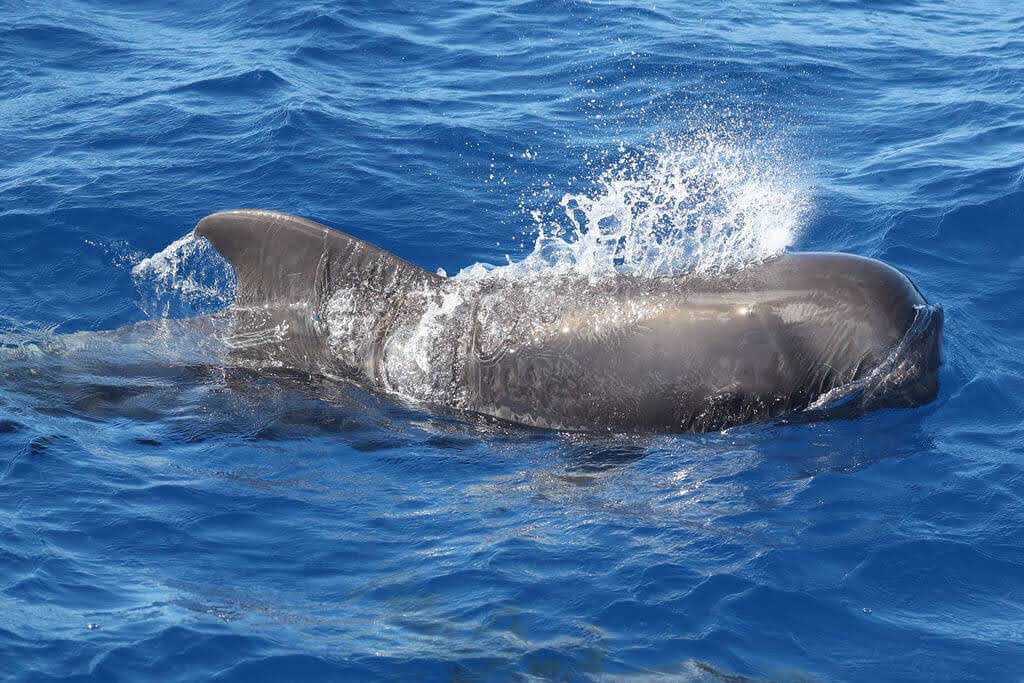
Pilot whales can be seen in Oahu waters all year long, but not as often as humpback whales. Usually found in deeper offshore waters, these smaller whales travel in pods.
Spinner dolphins In Oahu’s west and south shores, spinner dolphins are often spotted with whales.These acrobatic dolphins are known for their spinning jumps and how they play with boats.
Hawaiian monk seals and green sea turtles (honu) live in Hawaii all year long and are often seen on whale watching trips, which makes marine life encounters more interesting.
How to Watch Whales in Oahu in a Responsible Way
Rules for Protecting Marine Mammals
At all times, keep a safe distance from whales. Federal law requires boats to stay at least 100 yards away from humpback whales and swimmers and paddlers to stay at least 150 yards away from humpback whales. These regulations protect both whales and observers.
Never chase or pursue whales. Let whales come close if they want to, but don’t chase them or try to get in their way. Whales are wild animals that need space and respect to behave naturally..
When you see whales, try to keep the noise down. Whales can get stressed out and have trouble talking to each other when there are loud noises. Keep engine noise down and stay away from loud noises that happen all of a sudden.
How to Watch TV Responsibly
Pick certified tour companies that follow rules for protecting marine mammals and hire trained naturalists. Responsible operators put the welfare of whales ahead of the entertainment value.
Respect the behaviors of breeding and nursing. Mother whales with calves require extra space and minimal disturbance. Don’t get too close to mother-calf pairs; stay away from other whales.
Call NOAA’s marine mammal hotline right away if you see a whale that is hurt or stuck. You should never try to save someone yourself because you need special training and tools to do so.
What to Pack for Your Whale Watching Trip
Things You Need to See Whales
Binoculars make whale watching a lot better because they let you see whales doing things up close. For the best view of the ocean, pick binoculars that are waterproof and have 8×42 or 10×42 magnification.
For long periods of time outside, sunscreen and protective clothing are a must. Hawaii’s sun is much stronger on the water, so broad-spectrum SPF 30+ sunscreen and wide-brimmed hats are very important for comfort and safety.
You should have both wide-angle lenses for taking pictures of breaches and telephoto lenses for getting close-up shots of whales. Waterproof camera bags keep gear safe from ocean spray and moisture..
Things for Comfort and Safety
Preventing motion sickness is very important for whale watching from a boat. Before you leave, pack seasickness patches, ginger supplements, or motion sickness medications. It’s better to do this before you start feeling sick than after.
Layered clothing accommodates changing ocean conditions. In the morning, you might need a light jacket, but in the afternoon, the sun can be very strong. For the most comfort while whale watching, bring clothes that you can take off.
Snacks and drinks keep your energy up during long whale watching trips. Use sunscreen that is safe for reefs to protect your skin and Hawaii’s coral ecosystems.
Suggested Whale Watching Tour Choices
Tours to see whales from a boat
Catamaran tours offer stable platforms ideal for families and first-time whale watchers. These bigger boats have comfortable seats, bathrooms, and usually snacks and drinks on longer trips..
Zodiac boat tours let you see whales up close and personal because the groups are smaller and the boats are lower in the water. These rigid inflatable boats are easier to steer, but you need to be more comfortable with the ocean’s conditions.
Sailing tours let you see whales while also giving you a taste of traditional Hawaiian sailing. These quieter vessels often provide more peaceful whale encounters without engine noise interference.
Unique Whale Watching Experiences
Photography-focused tours are for serious photographers who want to get the best whale photos. They have special equipment, positioning strategies, and longer viewing times.
Educational tours Marine biologists or certified naturalists lead educational tours that give in-depth information about whale behavior, Hawaiian marine ecosystems, and conservation efforts.
Sunset whale watching tours let you see whales and amazing Hawaiian sunsets at the same time. However, whales may not be as active in the evening as they are in the morning.
Things to Do During Whale Season
Other fun things to do in the ocean
Snorkeling Hanauma Bay or Shark’s Cove lets you see Hawaii’s underwater ecosystems while staying in good spots for whale watching. Many snorkeling locations offer elevated vantage points for whale spotting between underwater sessions.
Stand-up paddleboarding along Oahu’s calmer shores allows for whale watching while enjoying active water sports. SUP provides elevated perspectives similar to boat tours while maintaining quiet, non-intrusive approaches to marine life.
Kayaking is a great way to get up close and personal with whales, especially along the windward coast where they often come closer to shore. Kayaks let you get close to whales without making noise that could scare them away.
Things to Do on Land
Hiking Diamond Head or the Makapuu Lighthouse Trail is a great way to get some exercise and see whales at the same time. These elevated trails provide panoramic ocean views perfect for spotting whale spouts and surface behaviors.
Beach photography During whale season, beach photography shows off Hawaii’s beautiful coastal landscapes and marine life. A lot of beaches have great things in the foreground that make whale photos look great.
Cultural experiences Hawaii has a strong connection to marine life and ocean conservation. Visiting the Polynesian Cultural Center or going to a traditional luau are two ways to learn more about this.
When to Make Your Whale Watching Plans with Ko Olina Oahu
To have the best chance of seeing amazing whales, you need to plan your whale watching trip very carefully. The best time to see whales on Oahu is in February.. If the weather is good, you can almost always see whales.
Early morning departures The ocean is usually calmest and whales are most active in the early morning. When you can, book morning tours, especially during the busiest months when the afternoon trade winds can make it hard to see.
Advance reservations We strongly suggest making reservations ahead of time, especially for whale watching tours in February when demand is at its highest. Dates for whale watching that are popular fill up quickly, especially around holidays and school breaks.
Ko Olina Oahu is an expert at making whale watching trips that are both fun and safe. They know a lot about the area and how to watch wildlife responsibly. Our certified naturalists provide educational insights about humpback whale behaviors, Hawaiian marine ecosystems, and ongoing conservation efforts that protect these magnificent creatures for future generations.
Make Your Dreams of Whale Watching Come True
Oahu’s whale watching season is one of the best times to see marine wildlife anywhere in the world. From the first humpbacks that arrive in December to the last ones that leave in April, these gentle giants make memories that last a lifetime with their amazing breaching, tail slapping, and calm surface behaviors.
The key to a successful whale watching trip is to plan ahead, pick the right time, and hire experienced) guides who care about both having a great time and protecting marine mammals. Oahu has whale watching options for everyone, whether you like the stability of large catamarans, the closeness of small boat tours, or the thrill of watching from the shore.
Are you ready to see Pacific humpback whales in their natural Hawaiian habitat? Call Ko Olina Oahu today to book your whale watching trip and join the thousands of other people who have found out why Oahu is one of the best places in the world to see whales. Our knowledgeable guides and perfect tour scheduling make sure that you have the best chance of seeing these amazing animals on your Hawaiian vacation.


