

A Complete Guide to Hawaii’s Giants: Humpback Whales in Oahu

Every winter, the clear waters around Oahu become home to one of the most beautiful sights in nature.Thousands of humpback whales migrate from Alaska’s feeding grounds to Hawaii’s warm tropical waters. This makes the Pacific a living theater of whale behavior and marine wonders.
These gentle giants, whose scientific name is Megaptera novaeangliae, choose the waters around Hawaii for one of the most important parts of their lives: breeding, giving birth, and raising their young. The humpback whale in Hawaii is more than just a seasonal visitor; these marine mammals are an important part of the ocean ecosystem and give visitors a once-in-a-lifetime chance to see nature’s biggest migration.
Knowing more about humpback whales’ behavior and traits makes every whale watching trip better. Researchers and visitors are still amazed by the intelligence and social complexity of these marine humpback whales. Their complex songs can be heard miles underwater, and their acrobatic breaching displays are also impressive.
This complete guide covers everything you need to know about Oahu’s humpback whales, including their physical traits, social behaviors, the best places to see them, and the conservation efforts that are keeping these amazing animals safe.
Physical Characteristics of Humpback Whales
Size and Dimensions
Adult humpback whales are usually between 40 and 60 feet long, but males and females are very different sizes. Females generally grow larger than males, reaching up to 60 feet and weighing between 25 to 40 tons. A full-grown humpback whale weighs as much as eight to twelve elephants put together.
It is their long pectoral fins, which can measure up to 16 feet in length (almost a third of their total body length), that make them distinctive from other fish. The scientific name for humpback whales is Megaptera, which means “big wing.” This is because they have such big fins.
Distinctive Physical Features
Adult humpback whales are usually between 40 and 60 feet long, but males and females are very different sizes. Females generally grow larger than males, reaching up to 60 feet and weighing between 25 to 40 tons. A full-grown humpback whale weighs as much as eight to twelve elephants put together.
The long pectoral fins of these fish, which can reach a length of 16 feet (almost a third of their total length), set them apart from other types of fish. The scientific name for humpback whales is Megaptera, which means “big wing.” This is because they have such big fins.
Communication and Social Behavior
Whale Songs That Are Very Complicated
Marine humpback whales are known for their complex ways of talking to each otherThe songs of male humpback whales are among the most complex in the animal kingdom. Their melodies can last up to 35 minutes and be heard from more than 20 miles underwater.
The themes and phrases in these whale songs change over the course of the breeding season. It’s amazing that all the males in a group sing similar versions of the same song, but the song changes over time. Scientists believe these songs serve multiple purposes, including attracting mates and establishing territory.
Human behavior and the structure of society
Humpback whale behavior varies significantly between feeding and breeding seasons. During their time in Hawaiian waters, these whales focus primarily on breeding activities, courtship displays, and calf rearing.
Adult females with calves act protectively by putting themselves between their young and possible threats. Mother-calf pairs maintain close proximity, with calves nursing frequently and learning essential survival skills.
During breeding season, male humpback whales often act aggressively, show bubbles, and physically fight to get to females. These events are dramatic, but they don’t usually cause serious injuries.
Feeding and changes in behavior
Humpback whales don’t usually eat while they’re in Hawaii, but knowing how they eat helps us understand their amazing journey. These whales show amazing ways of feeding in Alaskan waters, such as cooperative bubble-net feeding.
This advanced hunting method has groups of whales working together to make cylindrical nets of bubbles that trap fish. One whale usually swims in smaller and smaller circles while releasing bubbles. This whale is called the “bubble blower.” Other whales swim around to make feeding more efficient.
Patterns of Migration to Oahu
The Big Journey Across the Pacific
As one of the longest migrations of any mammal on earth, humpback whales migrate to Hawaiian waters. These amazing animals travel about 3,000 miles from their summer feeding grounds in Alaska to Hawaii’s breeding waters. Approximately six to eight weeks are required for the trip.
Most humpback whales in Hawaii arrive between November and May, with peak numbers occurring from January through March. During this time, there are about 10,000 to 15,000 humpback whales in Hawaiian waters. This is one of the largest populations of humpback whales in the world.
Why Hawaii?
The warm, shallow waters around the Hawaiian Islands are perfect for breeding and giving birth. The water is much warmer than in Alaska, with temperatures between 75 and 80 degrees Fahrenheit. This means that newborn calves don’t have to use as much energy to stay warm because they don’t have enough blubber to survive in cold water.
Hawaiian waters also keep predators away and make it easier for mothers to care for their calves because there is less competition for space. The relatively calm conditions in many Hawaiian bays and channels provide safe environments for vulnerable newborns learning to swim and breathe efficiently.
Behavior Patterns by Season
Pregnant females looking for the best places to give birth make up most of the early arrivals (November to December). There is the greatest diversity during the mid-season (January-March), which includes mothers with newborn calves, breeding adults, and groups of competitive males.
Mothers with older calves getting ready for the trip back to Alaska leave late in the season (April-May). These calves, now several months old and significantly larger, possess sufficient strength and blubber reserves for the challenging northward migration.
Best Times and Locations for Whale Watching
Optimal Viewing Seasons
From January to March, when humpback whales are most active in the waters around Oahu, you have the best chance of seeing them and seeing a wide range of behaviors. During these months, the chances of seeing whales while whale watching are often over 90%, and it’s common to see more than one whale on a single trip.
The best times to see whales are usually early in the morning (7–10 AM) and late in the afternoon (2–5 PM). Whales are most active at this time, and the ocean is usually calmer at this time.
Prime Viewing Locations Around Oahu
South Shore Waters: The channels between Oahu and its neighbors are great places to see whales. These deeper waters draw in groups of animals that are breeding and give them plenty of room to show off their behavior, such as breaching, tail slapping, and fighting with each other.
West Oahu Coastline: The waters on the leeward side of Oahu’s west coast are calmer and whales are often seen there. The continental shelf drops off fairly close to shore, making it a great place for humpback whales to live while still being easy for boats to see.
Windward Coast: The waters on the windward side are usually rougher than those on the leeward side, but they can be great for whale watching, especially when trade winds are low.
What to Expect in Terms of Behavior
During trips to Oahu, visitors can expect to see a range of behaviors from humpback whales. One of the most amazing displays of marine mammal athleticism is breaching, when whales push their huge bodies partially or completely out of the water.
When whales tail slap (lobtail), they lift their tail flukes and hit the water’s surface over and over again. This makes loud sounds that can be heard for miles underwater. When a whale slaps its pectoral fins, you can see how big they are as they roll and hit the water.
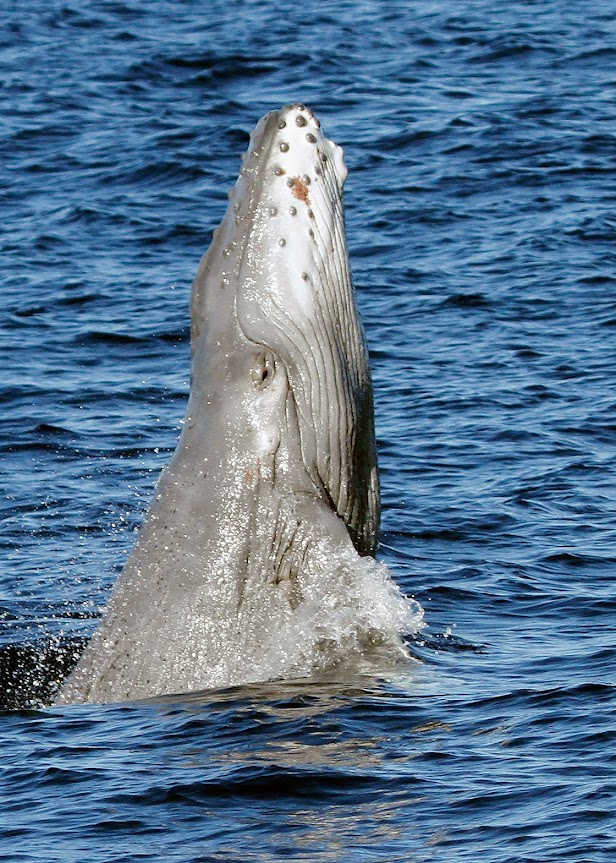
When whales spy hop, they lift their heads above the surface in a vertical motion, as if they are looking around. This shows that they are curious. These behaviors give us a better understanding of how these smart marine mammals interact with each other and communicate.
Conservation Efforts and Responsible Viewing
Rules and Protection Status
The Marine Mammal Protection Act and the Endangered Species Act protect humpback whales. In Hawaiian waters, federal regulations require vessels to maintain a minimum distance of 100 yards from whales, with aircraft maintaining 1,000-foot altitude minimums.
These rules are in place to stop harassment, injury, or interference with natural behaviors. If you break the rules, you could face serious consequences, like fines of up to $100,000 and even jail time.
The Hawaiian Islands Humpback Whale National Marine Sanctuary
This sanctuary, which was set up in 1992, protects 1,400 square miles of marine habitat around the main Hawaiian Islands. The sanctuary works to protect humpback whales through research, education, conservation, and responsible viewing guidelines.
Research programs within the sanctuary contribute valuable data on whale populations, migration patterns, and behavioral studies that inform conservation strategies worldwide.
How to Watch Responsibly
Responsible whale watching makes sure that these beautiful animals are not disturbed while giving visitors a great experience. Professional operators have to follow strict rules that put the welfare of whales ahead of how fun the activity is.
Observers should remain quiet during whale encounters, as loud noises can disrupt natural behaviors. Photography should be conducted without flash, and visitors should avoid sudden movements that might startle the whales.
By backing operators who put education and conservation first, you can help protect humpback whale populations in the long run while also keeping tourism practices sustainable.
Threats and problems with conservation
Modern dangers to humpback whales include being hit by boats, getting caught in fishing gear, and noise pollution in the ocean. Climate change affects the animals they eat in Alaska, which could affect the health and ability to reproduce of Hawaiian populations.
Marine debris poses ongoing challenges, as whales may ingest plastic materials or become entangled in discarded fishing equipment. Conservation efforts aim to mitigate these threats through education, enforcement of regulations, and international collaboration.
Research and Studies That Are Still Going On
Monitoring the population
Scientists conduct annual population surveys using photo-identification techniques, cataloging individual whales based on their unique tail fluke patterns. These studies follow changes in population size, reproductive success, and individual life histories over many years.
Satellite tagging programs give us important information about where animals migrate, how they dive, and what kinds of habitats they like. This information helps find important habitat areas that need more protection and gives advice on how to route ships to lower the risk of collisions.
Research on sound
Underwater listening stations throughout Hawaiian waters record and analyze whale songs, providing insights into communication patterns, population dynamics, and behavioral responses to human activities.
These acoustic studies reveal how ocean noise from shipping, military activities, and recreational vessels affects whale communication and behavior, informing policies to minimize human impacts.
See Oahu’s Humpback Whales with Ko Olina Oahu
Seeing humpback whales in their natural Hawaiian habitat makes memories that will last forever. These amazing marine mammals are one of nature’s most amazing success stories because of their complicated behaviors and impressive physical traits.
Knowing how humpback whales act makes every encounter better, from understanding the meaning of their songs to admiring the athleticism they show in their acrobatic performances. The seasonal presence of these whales transforms Oahu’s waters into a living classroom where visitors can observe marine mammal behavior firsthand.
The success of protecting humpback whale populations shows how important it is to protect them and watch them responsibly. Visitors help protect these beautiful animals by following viewing rules and supporting whale watching operations that are good for the environment.
Ko Olina Oahu has professional whale watching tours that put the needs of both guests and whales first. Our knowledgeable guides teach you about the behavior of humpback whales while making sure you follow responsible viewing rules that keep these amazing marine mammals safe.
Book your humpback whale trip with Ko Olina Oahu and find out why these gentle giants choose Hawaiian waters for one of nature’s most amazing migrations. Join us for an unforgettable meeting with Oahu’s most beautiful seasonal guests.


