

Oahu’s dedication to protecting whales

In addition to being renowned for their breathtaking beauty and top-notch surfing, Oahu’s turquoise waters serve as an essential habitat for the humpback whale, one of the most magnificent animals on the planet. To breed, calve, and nurse their young, these gentle giants travel thousands of miles each year from their feeding grounds in Alaska to the warm, protected waters of Hawaii. Whale watching in Hawaii, particularly in the Oahu area, is a genuinely remarkable experience because of this amazing migration.
However, there is a huge responsibility that goes along with this natural spectacle. Devoted conservation efforts are essential to the safety and well-being of these whales. This guide provides a thorough overview of Oahu’s whale conservation initiatives, including the groups spearheading the movement, the laws protecting the animals, and ways that visitors like you can help save these amazing creatures for future generations. You can make your visit meaningful and unforgettable by learning about the work being done.
Oahu’s Top Whale Conservation Organizations
Dedicated scientists, volunteers, and non-governmental organizations (NGOs) work together to protect Hawaii’s marine life. Although Oahu has its own network of committed organizations that tirelessly work to protect humpback whales and their habitat, the Pacific Whale Foundation, which is based mostly on Maui, is a well-known name in Hawaiian marine conservation. These groups concentrate on public education, rescue, and research.
Hawaii Marine Animal Response (HMAR)
Throughout the state, including Oahu, Hawaii Marine Animal Response(HMAR) is at the forefront of protecting marine life. HMAR, Hawaii’s largest non-profit organization of its kind, collaborates with NOAA to respond to marine animals that are entangled, injured, or distressed.
There is no doubt that their efforts are vital, particularly during the humpback whale season in Hawaii. HMAR’s highly skilled teams are sent out to investigate and, if feasible, carry out intricate disentanglement procedures when a whale is reported to be entangled in fishing gear or marine debris. For an entangled whale, these efforts frequently mean the difference between life and death.Additionally, HMAR teaches the public about the importance of allowing marine animals space and reporting any signs of distress through public outreach and education.
Marine Mammal Research Program (MMRP) at the University of Hawaii
Academic institutions like the University of Hawaii Marine Mammal Research Program(MMRP) are essential to conservation because they supply the scientific information required to make wise decisions. The Marine Mammal Research Program (MMRP) at the University of Hawaii is a pioneer in this field. Their researchers, who are based at the Hawaii Institute of Marine Biology on Coconut Island, investigate humpback whale behavior, acoustics, and population dynamics.
To track the movements of whales, listen to their intricate songs, and study the effects of human activity, MMRP scientists employ sophisticated technologies such as satellite tagging and acoustic monitoring on their behavior. The Hawaiian Islands Humpback Whale National Marine Sanctuary is one protected area whose management policies are influenced by this research. For instance, guidelines for responsible whale watching tours have been influenced by their findings on vessel noise, guaranteeing that these interactions are safe for both people and whales.
Local Community and Volunteer Groups
Whale conservation efforts in Oahu are greatly aided by a multitude of smaller community groups and volunteer initiatives in addition to the larger, more formal organizations. In order to lessen marine debris, these grassroots movements plan beach clean-ups, take part in citizen science initiatives like the yearly Ocean Count, and raise awareness in their local communities. Their combined enthusiasm and practical efforts form a potent force for conservation, exhibiting a strong, mutual dedication to preserving Oahu’s marine legacy.
Laws and Regulations as the Protective Barrier
A strong framework of federal and state laws is in place to guarantee that the waters surrounding Oahu continue to be a safe haven for humpback whales. The success of whale conservation in Hawaii is largely dependent on these laws, which are rigorously enforced.
Hawaii’s Humpback Whale National Marine Sanctuary
The Hawaiian Islands Humpback Whale National Marine Sanctuary is the focal point of Hawaii’s marine conservation efforts. This federally protected area, which spans the main Hawaiian Islands and covers almost 1,400 square miles of ocean, was created in 1992. A map of the Hawaiian Islands Humpback Whale National Marine Sanctuary demonstrates the sanctuary’s extensive coverage of ideal calving and breeding grounds.
The protection of humpback whales and their habitat is the sanctuary’s main goal. The Hawaiian Islands Humpback Whale National Marine Sanctuary is a network of waters that have been managed to reduce human impact rather than a single, enclosed park. To safeguard the whales, certain rules are followed within the sanctuary:
- Limits of Vessel Approach: Any person or vessel approaching a humpback whale within 100 yards is prohibited. The minimum altitude for aircraft is 1,000 feet. The purpose of this regulation is to keep whales, especially mothers with calves, from experiencing stress or disturbance.
- Prohibition of Harassment: Harassment is defined as any action that interferes with a whale’s natural behavior, including feeding, mating, or resting. This includes chasing the animals, making loud noises, and making abrupt movements.
The MMPA, or Marine Mammal Protection Act
All marine mammals, including humpback whales, are fully protected in U.S. MMPA prohibits the capture, hunting, harassment, or killing of any marine mammal, which is interpreted broadly to include hunting, harassing, capturing, or killing. These safeguards are necessary to guarantee the recovery of populations that have been severely damaged by commercial whaling.
Regulations of the State of Hawaii
In order to safeguard its distinctive marine ecosystems, the State of Hawaii has its own set of regulations that supplement federal laws. These regulations frequently deal with particular local concerns, like controlling boat traffic in delicate areas and controlling coastal development to protect the quality of the water. A multifaceted approach to marine conservation is ensured by the cooperation of federal and state agencies.
When to See Whales: Hawaii’s Humpback Whale Season
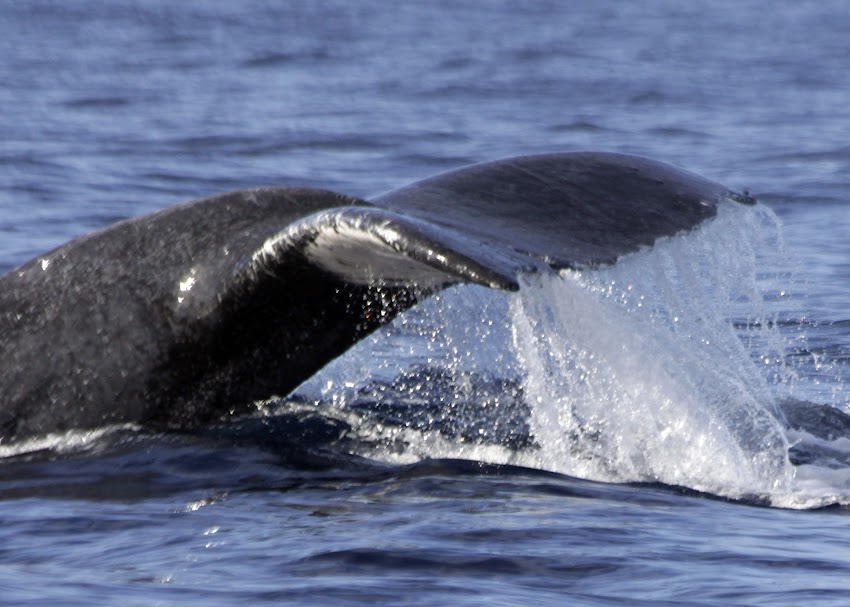
Time is crucial if you want to see these amazing animals. Hawaii’s main humpback whale season lasts from December to April. It is the busiest time of year for whale watching in Hawaii and Oahu because thousands of humpback whales migrate to the islands during these months.
When the greatest number of whales are present, the season usually peaks between January and March. From amazing breaches and tail slaps to the loving interactions between mothers and their newborn calves, this is the time when you are most likely to witness a variety of behaviors. You have the best chance of an unforgettable experience if you plan your trip during this window. These trends are expected to persist by 2025, so the early months of the year are the best times to plan your trip.
Ways to Help Oahu’s Whale Conservation
You have a special chance to support whale conservation as a visitor to Oahu. Your decisions and deeds can have a significant impact on preserving these creatures and their natural habitat. Here are a few of the best ways to express your support.
1. Select an Eco-Friendly Whale Watching Trip
A guided tour is the most direct way to witness the majesty of humpback whales. But it’s important to pick an operator who puts the animals’ welfare first. In order to prevent their presence from upsetting the whales, responsible tour operators are dedicated to abiding by all rules and regulations.
Look for tour operators who are
- Are Whale SENSE Certified: Whale SENSE Certified when making a reservation. A voluntary education and recognition program called Whale SENSE honors travel agencies that have made a commitment to ethical business practices.
- Educate their Guests:The best whale watching tours are accompanied by naturalists or marine biologists who provide insightful comments on the biology, behavior, and conservation of whales.
- Observe Approach Distances: A trustworthy operator will always keep the legally mandated 100-yard distance and will never crowd or chase a whale.
2. Put “Leave No Trace” into practice.
A major threat to whales and other marine life is marine debris. Whales may be injured or killed if they consume plastic or become tangled in abandoned fishing nets and lines. You can help by ensuring you leave no trace during your visit.
- Put all trash in the appropriate bins.
- If you have the opportunity, take part in a beach cleanup in your community.
- Bring a reusable shopping bag and water bottle to help you cut down on the amount of single-use plastics you use.
3. Report Animals in Distress
Never try to assist a whale or any other marine animal that seems hurt, tangled, or distressed. Rather, call the NOAA Marine Wildlife Hotline at 888-256-9840 to report it right away. Provide as much detail as possible, including the location, the type of animal, and the nature of the distress. A skilled response team can be sent to the scene with your prompt call.
4. Get the Word Out
Talk to others about your expertise and enthusiasm for whale conservation. Discuss what you’ve discovered with your loved ones. Share on social media about your ethical whale-watching experience and stress the value of preserving these creatures. Spreading awareness and motivating others to take action are powerful tools for change, and education can be a powerful tool to do so.
Diagram Your Path to a Memorable Experience
Oahu’s continued efforts to conserve whales are evidence of the island’s profound regard for its marine life. Every action is taken to ensure the continued survival of these gentle giants, from the hard work of groups like HMAR to the protective barrier of the Hawaiian Islands Humpback Whale National Marine Sanctuary.
You become a part of this story as you organize your trip to Oahu. Supporting responsible tourism allows you to directly contribute to the preservation of one of the most breathtaking natural phenomena.Are you prepared to experience the magic for yourself? At Ko Olina Oahu, we have a strong commitment to offering top-notch and ethical marine tours. Come enjoy a whale watching experience with us that is both awe-inspiring and considerate of the creatures and their habitat. Make lifelong memories with our knowledgeable crew as they lead you into the world of humpback whales. Join Oahu’s conservation legacy by scheduling your adventure with us today.


