

Snorkeling Etiquette in Oahu: A Complete Guide

The coast of Oahu is a snorkeler’s paradise. The clear, warm waters are home to colorful coral reefs and a wide range of marine life, including Hawaiian green sea turtles (honu) that play and schools of brightly colored fish. When you snorkel here, you can see an amazing underwater world. We need to treat this world with respect, though, if we want it to last for generations.
This guide will teach you the basic rules of snorkeling in Oahu. It’s not enough to just follow the rules when you visit the delicate marine ecosystem. You also need to become a guardian of the beauty you’ve come to see. By the end of this post, you will know everything you need to know about how to snorkel safely so that your trip is safe for you and the marine life you see.
How to Care for the Environment and Marine Life in Oahu
The most important rule for snorkeling is to look but not touch. Oahu’s marine ecosystem is a fragile balance of living things. Actions that seem harmless can have terrible results.
Keep a Safe Distance from Marine Animals
Some of the most amazing animals you might see are Hawaiian green sea turtles, spinner dolphins, and humpback whales in the winter. It’s normal to feel excited, but it’s important to give them some space.
- Hawaiian Green Sea Turtles (Honu): These turtles are in danger and are protected by state and federal laws. You must always keep at least 10 feet (about 3 meters) between you and them. They often come to shallow water to eat algae or sleep on the ocean floor. Chasing or crowding them makes them stressed, which can make it hard for them to eat, sleep, and have babies.
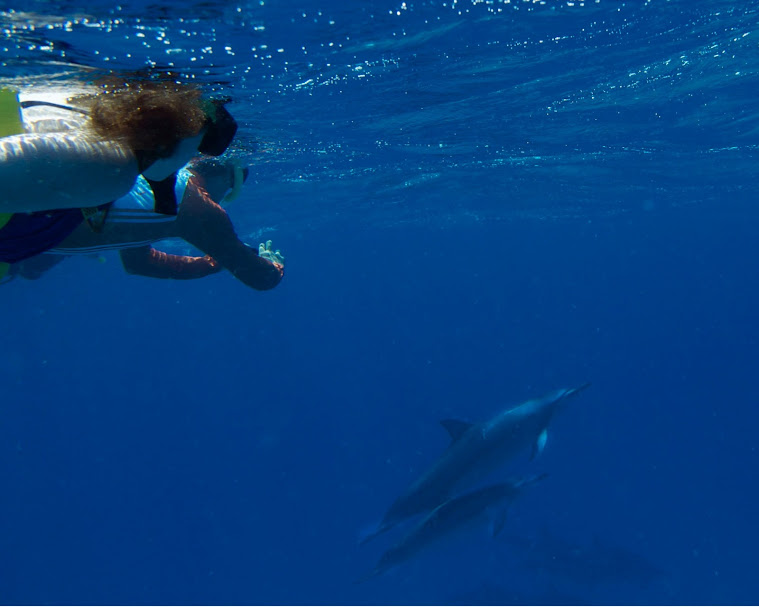
- Spinner Dolphins (Nai’a): You can often see dolphins in bays like the ones on the west side of Oahu. After hunting at night, they use these places to rest and take care of their young. You must stay at least 50 yards (about 45 meters) away from it, according to federal law. Getting too close to them messes up their important sleep patterns.
- Humpback Whales (Kohola): You might be able to see these beautiful giants during whale season, which runs from December to April. The law requires you to maintain a distance of 100 yards (about 91 meters).
- Monk Seals (ʻĪlio-holo-i-ka-uaua): They are one of the most endangered marine mammals in the world. Stay at least 50 feet (15 meters) away from one if you see it on the beach or in the water.
Never Touch, Chase, or Feed Marine Life
It might seem like a harmless way to get fish and other marine animals to come to you, but it changes how they eat and makes them depend on people. It can also make people act aggressively. Also, don’t chase after an animal to get a better picture. Let them come to you when they’re ready. Let them go if they swim away.
Don’t touch or stand on coral.
Coral reefs do not consist of rocks; they are composed of fragile groups of tiny living organisms known as polyps. Coral polyps can be hurt or killed if you touch them with your hands, fins, or any other part of your body. One touch can remove their protective mucus layer, making them more likely to get sick. Standing on coral will kill and break off whole parts of a reef that took hundreds of years to grow. This is why knowing how to control your buoyancy is one of the most important rules for snorkeling in Oahu.
Rules and Regulations for Snorkeling in Oahu
Hawaii has laws in place to protect its natural resources, in addition to general rules of behavior. Being aware of these regulations is part of being a responsible snorkeler.
Use Sunscreen That Is Safe for Reefs
Hawaii was the first state in the US to stop selling sunscreens with oxybenzone and octinoxate, two chemicals that have been shown to bleach coral.Corals eliminate algae that live in their tissues when they are stressed. This makes them turn completely white and often die.
Always pick a mineral sunscreen that is “reef-safe” and has non-nanotized zinc oxide or titanium dioxide as the active ingredients. Put it on at least 20 to 30 minutes before you get in the water so that it can soak in. Better yet, wear a rash guard or other UV-protective clothing to minimize the amount of sunscreen you need.
Know what Protected Areas are
Marine Life Conservation Districts (MLCDs) protect many of Oahu’s best snorkeling spots, such as Hanauma Bay. These areas have specific rules to protect their rich biodiversity.
Fishing Limits: Fishing is very limited or not allowed at all in MLCDs.
No Collecting: You can’t take or collect anything, living or dead, from these places. Rocks, shells, sand, coral fragments, and other things like these are included. Leave everything the way you found it.
Before you leave, look at an Oahu snorkeling map or the Hawaii Division of Aquatic Resources website to see if there are any special rules for the place you want to go.
Proper Snorkeling Techniques for Minimizing Environmental Impact
How you move in the water is important. Good technique is important for more than just your safety and comfort; it’s also important for keeping the underwater world safe. This is very important for anyone who wants to learn how to snorkel in Oahu.
Learn how to control your buoyancy.
The goal is to float on the surface without any effort, like a log. This stops your body and fins from accidentally kicking or brushing against the coral below.
- Relax: When your muscles are tense, you float less.You should take slow, deep breaths while snorkeling and allow your body to relax.
- Stay Horizontal: Keep your body parallel to the ocean floor. Don’t give in to the urge to stand up or put your feet down, especially in shallow water. If you need to adjust your mask or rest, swim to a sandy patch or out to deeper water where your feet won’t touch the bottom.
- How to Use Your Snorkel: One mistake that many beginners make is lifting their heads out of the water to breathe. Trust your snorkel! Keeping your face in the water helps you stay in that horizontal position.
Use Your Fins Right
Your fins are strong tools, so be careful when you use them.
- Kicks that are small and slow: From your hips, do slow, gentle flutter kicks while keeping your knees mostly straight. Big, splashy kicks are a waste of time, make the sand fly around (making it harder for everyone to see), and raise the risk of hitting coral.
- Be Aware of Your Surroundings: Always know where your fins are. Before you kick, look around and behind you to ensure you are clear of coral, rocks, and other snorkelers.
Dealing with Crowded Snorkeling Areas in Oahu
Some of the most popular snorkeling spots in Honolulu and around the island can get busy. A positive experience can be ensured by practicing good etiquette.
Keep Your Gear Safe: Make sure everything you bring with you, like your camera, is securely attached to you. A dropped camera can damage the reef and become marine debris. Use wrist straps or lanyards to keep your gear safe.
Give Others Space Just as you give space to marine life, give space to fellow snorkelers. Keep a safe distance to avoid bumping into things by accident. Every once in a while, look up to see who is around you.
Get in and out of the water Be careful
Watch where you are walking when entering and exiting the water. Use designated entry points where available and stick to sandy channels to avoid stepping on fragile marine organisms. Be patient and wait for a clear path rather than rushing in.
Be Mindful of Your Noise Level
When you get in and out of the water, pay attention to where you’re walking. If there are designated entry points, use them. If not, stay on sandy channels to avoid stepping on delicate marine life. Don’t rush in; be patient and wait for a clear path.
How to Be a Responsible and Thoughtful Snorkeler in Oahu
You are still responsible after you get out of the water. It covers everything about your trip, from planning it to sharing your memories.
Read the Oahu Snorkel Report
This rule is easy to follow: don’t take anything but pictures and leave nothing but bubbles. Take everything you bring with you, like trash, food wrappers, and water bottles, back with you. If you see trash that someone else left behind, think about picking it up and throwing it away the right way. The beach will be cleaner than when you arrived.
Leave No Trace
It is a simple principle: take only pictures and leave only bubbles behind. Pack out everything you bring with you, including all trash, food wrappers, and water bottles. If you see trash left by others, consider picking it up and disposing of it properly. The beach will be cleaner than when you arrived.
Educate Yourself and Others
Tell your friends and family what you know about snorkeling in a safe way. The oceans will be healthier if more people in Oahu learn and follow the rules for snorkeling. If you see someone hurting the environment without meaning to, try to be nice and gentle with them. You could say, “The coral here is so beautiful and delicate; it’s best not to touch it so it stays healthy!”
Your Next Snorkeling Adventure
You will never forget snorkeling in Oahu. The colorful reefs and strange sea creatures give you a taste of a world full of wonder. By practicing the etiquette outlined in this guide, you become an active participant in its preservation. You make sure that the beauty you see today will be there for others to enjoy tomorrow.
Are you ready to explore Oahu’s underwater paradise with guides who care about the ocean and your safety? We love giving great and safe snorkeling tours at Ko Olina Oahu. Our knowledgeable staff can show you the best places to go and make sure you have an unforgettable and environmentally friendly trip. Let’s go on a tour together and see the magic of Oahu’s reefs.


